
Wind Mitigation and Roof Inspections for Commercial Properties Across South Florida
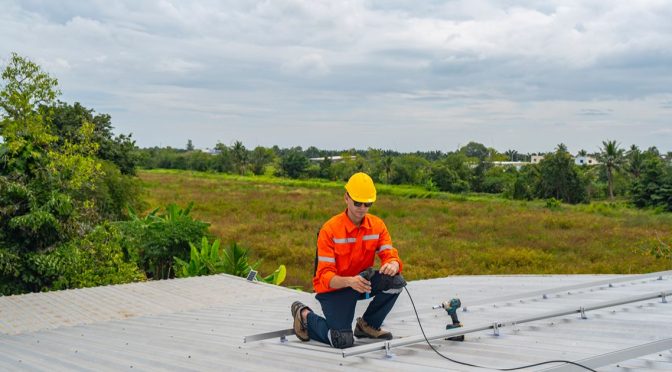
Wind Mitigation and Roof Inspections for Commercial Properties Across South Florida
September sits at the peak of Atlantic hurricane season, and for commercial property owners in Miami, Fort Lauderdale, Pompano Beach, West Palm Beach, and the rest of South Florida, that makes it exactly the wrong time to be uncertain about how a building’s roof and structure will actually hold up in a storm. A wind mitigation inspection and a roof inspection answer two different but closely related questions: how storm-resistant is the building, and what condition is the roof in right now?
Together, they give owners a clear picture of storm risk and, often, a path to real savings on commercial insurance premiums.
What Is a Commercial Wind Mitigation Inspection?
A wind mitigation inspection documents the storm-resistant features built into a property, the kind of details that determine how well a building performs when hurricane-force winds hit. Inspectors evaluate the roof shape and covering, how the roof deck is attached, the roof-to-wall connections, whether a secondary water barrier is present, and what kind of opening protection, storm shutters or impact-rated windows and doors, the building has.
South Florida sits in a High Velocity Hurricane Zone, so these features carry more weight here than almost anywhere else in the country. Florida law requires insurers to offer premium credits for buildings with qualifying wind-resistant features, which means a wind mitigation inspection is not just a risk assessment, it is often a direct path to lower insurance costs.
What Does a Commercial Roof Inspection Cover?
A roof inspection looks at the current physical condition of the roofing system: membrane or shingle condition, flashing, drainage, ponding water, and signs of prior storm or wear damage. Where a wind mitigation inspection documents built-in design features, a roof inspection tells you the actual state of the materials protecting the building right now.
Many commercial roof inspections also incorporate infrared thermography, which can detect trapped moisture beneath the roof surface long before it becomes a visible leak or a soft spot. Catching that kind of damage early, well before hurricane season peaks, can be the difference between a routine repair and a full section replacement after a storm exposes the weak point.
Why Owners Need Both, Not Just One
A building can have excellent wind mitigation features on paper and still have a roof in poor physical condition, or the reverse: a newer roof installed without the storm-resistant connections and attachments that actually matter in high winds. Neither inspection substitutes for the other.
- Wind mitigation confirms design and construction features tied to storm resistance and insurance credits.
- Roof inspection confirms the current physical condition of the materials actually on the building today.
- Together, they give a complete risk picture: how the building was built to perform, and how well it is holding up.
For older commercial buildings throughout South Florida, this pairing matters even more, since roofing materials and attachment methods that met code decades ago may fall well short of what current wind mitigation credits and building codes recognize.
Why September Timing Matters
Hurricane season runs from June through November, which means a significant stretch of the highest-risk months are still ahead when these inspections happen in September. Scheduling now, rather than waiting for a storm warning, gives an owner time to actually act on the findings: securing loose flashing, addressing ponding water, or documenting features for an insurance credit application before a claim, not during one.
Waiting until a storm is approaching leaves no time for repairs and often no availability for inspectors, who are in high demand in the days before a hurricane makes landfall.
Common Mistakes Commercial Owners Make
The most common mistake is assuming a roof looks fine from the ground, or that no leaks means no problems. Roofing issues, and wind mitigation gaps, are frequently invisible without a trained inspector and the right equipment.
Other mistakes worth avoiding:
- Letting a wind mitigation report expire without renewing it, since insurers periodically require updated documentation.
- Skipping a post-storm reinspection after a hurricane passes nearby, even without an obvious claim, since electrical inspections and structural checks can catch storm-related damage that is not visible at the roofline.
- Assuming wind mitigation credits are automatic; they require documented inspection and submission to the insurer.
- Treating roof and wind mitigation inspections as one-time tasks instead of a recurring part of a building’s maintenance and insurance strategy.
Get Ahead of the Rest of Hurricane Season
With peak hurricane months still ahead, now is the time to confirm exactly how your commercial property will hold up and whether you’re leaving insurance savings on the table.
Our licensed inspectors serve Miami, Fort Lauderdale, Pompano Beach, West Palm Beach, and the rest of South Florida, with detailed reports typically delivered within 1 to 2 business days. Request a quote today by calling 305-910-1171 (Miami-Dade) or 954-861-0666 (Broward), before the next storm makes the decision for you.
FOR INTERNAL USE ONLY, DO NOT PUBLISH THIS SECTION
Featured Image Concept (design reference, not blog copy)
An aerial drone-style photo of a commercial flat roof with an inspector examining flashing near a roof edge, storm clouds visible on the horizon, conveying urgency and professional diligence ahead of a storm.